Biggest Arctis 1 Wireless Buying Mistakes (And How to Avoid Them)
Introduction
The SteelSeries Arctis 1 Wireless is often recommended as an affordable, compact entry into wireless gaming headsets. It promises the Arctis family’s recognizable sound signature, a detachable boom microphone, and the convenience of a wireless connection — all in a lightweight package. That combination makes it attractive to gamers on a budget, console owners who want fewer cables, and commuters seeking a simple headset for both games and calls.
However, several common buying mistakes undermine satisfaction with the Arctis 1 Wireless. Misunderstanding compatibility, assuming feature parity with higher-end Arctis models, and neglecting comfort or software needs are recurring issues buyers face. This article highlights the most frequent pitfalls, explains why they happen in real-world use cases, and shows how to avoid them so the Arctis 1 Wireless becomes the right tool for the right job.
Detailed Product Analysis
Overview and intended audience
The Arctis 1 Wireless targets users who want a gaming-grade wireless headset without the premium price. Typical buyers include console players (PlayStation or Switch), laptop users, and casual PC gamers who need a low-latency wireless link and a removable mic for mixed use (gaming, voice chat, remote work). It is not positioned as an audiophile music headset or a pro-streaming microphone solution; those are different product tiers.
Design and build
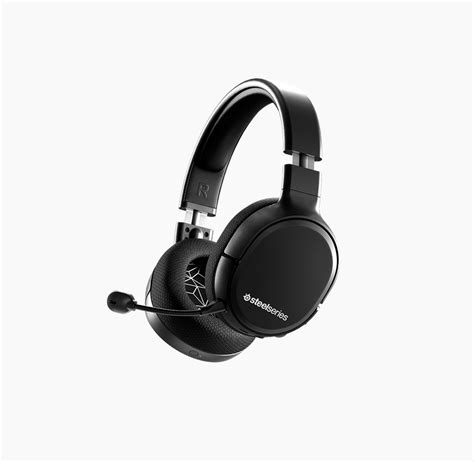
The Arctis 1 Wireless keeps the Arctis aesthetic compact and understated: cloth ear pads, a straightforward headband, and a detachable boom mic. In real-world use, the light weight helps during long sessions, but build materials are mostly plastic. This results in a comfortable, travel-friendly headset that does not feel premium in hand — an expected trade-off for the price.
Audio performance
For gaming, the Arctis 1 Wireless typically delivers clear game audio with a balanced midrange and adequate bass for explosions and in-game effects. In competitive FPS play, positional cues are generally solid, but the headset does not compete with higher-end models that offer larger driver chambers or bespoke tuning for esports. For music and movies, it performs well for casual listening but tends to lack the depth and refinement audiophile listeners expect.
Microphone and voice quality
The detachable boom mic is a practical feature for mixed use: it keeps desk clutter down when not needed and allows brief conversations on the go. In group voice chat and conference calls the mic provides intelligible speech and reasonable background rejection. However, streamers or podcasters who demand broadcast-quality voice capture will notice limitations compared with standalone USB/XLR microphones.
Wireless performance and latency
The wireless connection is a major selling point. A dedicated 2.4 GHz USB dongle (the common configuration) delivers low-latency audio suitable for console and competitive play. In real-world multiplayer sessions, latency is rarely an issue when the dongle has an unobstructed USB port nearby. Buyers who expect Bluetooth-style multipoint convenience should check the specific SKU — Bluetooth is not a consistent feature across every Arctis 1 Wireless variant, and Bluetooth will usually add latency that affects fast-paced gaming.
Battery life and daily use
Battery life for the Arctis 1 Wireless is usually adequate for several gaming sessions or a day of use; heavier users who stream nightly or use a headset for work calls may need to recharge more often. In daily commuting or laptop work, the headset’s modest battery footprint can be practical, but frequent travelers should plan charging access for multi-day trips.
Compatibility and software
Platform compatibility is a frequent confusion point. The Arctis line is marketed across PC, PlayStation, Xbox, and Switch, but compatibility depends on which wireless dongle and adapters are included in a particular retail package. On PC, SteelSeries software (SteelSeries GG) can provide firmware updates, EQ presets, and additional tuning; that software is not available or necessary on consoles. Buyers who want consistent cross-platform behavior should verify whether the headset’s package includes the correct dongle (USB-A vs USB-C) and whether the intended console supports the dongle’s type natively.
Comfort and fit
Comfort is one of the Arctis strengths: the headset is lightweight with breathable ear fabric, making longer sessions less fatiguing than heavier, leather-padded alternatives. Clamping force is moderate, so users with larger head sizes should test fit when possible. For desk-bound users, the detachable mic and low weight create a comfortable daily driver for both gaming and voice calls.
Real-world use cases
- Console gamer: A PlayStation player who wants wireless chat and game audio without the bulk of high-end models will find the Arctis 1 Wireless appropriate if the package matches the console’s USB requirements.
- Switch owner: Portable use with a docked Switch works well when the package includes a USB-C dongle; handheld use may be limited by battery and Bluetooth support.
- PC casual/competitive gamer: The low-latency dongle suits matchmaking and quick-reaction FPS play. Power users who want software surround presets should use SteelSeries GG on PC.
- Remote worker: The detachable mic and lightweight design make it viable for video calls, though frequent heavy callers may prefer a dedicated microphone for improved clarity.
- Music listener/commuter: Casual listening is fine, but buyers who prioritize audio fidelity for music will likely miss the refinement of larger or closed-back headphones.
Pros & Cons
- Pros:
- Lightweight and comfortable for extended sessions
- Removable boom microphone for flexible use
- Low-latency wireless via dedicated dongle makes it suitable for gaming
- Good value — delivers core gaming features at a lower price point
- Reasonable sound balance for games and casual media
- Cons:
- Plastic build feels less premium than higher-tier Arctis models
- Not ideal for audiophiles or professional streaming without external mic
- Compatibility confusion across console SKUs and dongle types
- Battery life is solid but not industry-leading
- Software feature set (EQ, surround) depends on PC software availability
Comparison: Arctis 1 Wireless vs. Nearby Alternatives
The following table highlights how the Arctis 1 Wireless compares to a wired Arctis 1 and a higher-tier Arctis model in categories buyers commonly consider. Values are indicative of typical configurations and use cases to help buyers judge fit.
| Feature | Arctis 1 Wireless | Arctis 1 (Wired) | Arctis 7 (Higher-tier Wireless) |
|---|---|---|---|
| Connection | 2.4 GHz USB dongle (low-latency) | 3.5 mm wired (universal) | 2.4 GHz USB dongle (robust wireless) |
| Battery | Around 20 hours (typical) | N/A (wired) | Longer — typically 20–30 hours depending on use |
| Microphone | Detachable boom mic — solid for chat | Detachable boom mic — same as wireless | Retractable ClearCast — more refined voice pickup |
| Comfort | Lightweight, breathable fabric pads | Same pads — lighter overall due to no battery | More padding, premium band — better for long sessions |
| Software / Tuning | Supported on PC via SteelSeries software | Basic EQ via source device | Full software support, richer features |
| Price tier | Budget to mid-range | Budget | Upper mid-range |
Biggest Buying Mistakes and How to Avoid Them
Mistake 1 — Assuming universal compatibility
Why it happens: Product listings and marketing often show multiple platform logos, leading buyers to believe the headset will work identically across all consoles and devices. In reality, the included dongle and adapters vary between SKUs.
Shop the latest Audio & Headphones picks on Amazon.
Shop Amazon →How to avoid it: Check the package contents carefully. Confirm whether the dongle is USB-A or USB-C and whether the intended console supports that dongle natively. If a USB-C dongle is included but a TV/console has only USB-A ports, plan for an adapter or verify retailer SKU details prior to purchase.
Mistake 2 — Equating Arctis 1 Wireless with premium Arctis models
Why it happens: The Arctis family shares design language and naming, which can blur expectations about material quality, microphone performance, and feature set.
How to avoid it: Set priorities. If a buyer needs broadcast-quality voice for streaming or top-tier battery life and surround options, moving up to a mid- or high-tier Arctis model is a better match. For many console gamers and mobile users, the Arctis 1 Wireless delivers a balanced compromise at a lower cost.
Mistake 3 — Not checking software dependency
Why it happens: Buyers expecting the same equalizer and firmware experience across platforms assume all features are available everywhere. SteelSeries software is primarily a PC utility.
How to avoid it: If custom EQ, firmware updates, or virtual surround are important, plan to use the headset with a PC where the software is available. On consoles, audio will be more “set-and-forget.” Keep firmware updated when connected to a PC for best long-term performance.
Mistake 4 — Overlooking fit and long-session comfort
Why it happens: Online images and specs don’t convey clamp force, ear shape fit, or pad breathability. Buyers may regret after a long stream or marathon gaming session.
How to avoid it: Try headsets in person when possible or buy from retailers with flexible return policies. Pay attention to ear pad material and weight — the Arctis 1 Wireless favors breathable fabric pads that typically reduce heat compared to leatherette alternatives.
Mistake 5 — Expecting exceptional music fidelity
Why it happens: Gaming headsets are often cross-promoted for music and podcasts. Buyers who prioritize music quality may be disappointed.
How to avoid it: Decide whether the primary use is gaming or music. If music fidelity is a priority, consider dedicated headphones and pair them with a separate mic or a higher-end headset engineered for both music and gaming. If the headset must serve both roles, accept trade-offs or use EQ to tune the profile closer to musical preferences.
Mistake 6 — Not planning for multi-device workflows
Why it happens: Streamers and remote workers often switch between PC, console, and phone during a session. Not every Arctis 1 Wireless configuration supports effortless switching.
How to avoid it: Identify the typical device workflow and check how the headset connects to each device. Some variants offer Bluetooth for phone calls but add latency for gaming; others require swapping the dongle between devices. Consider a USB hub or a separate dongle strategy where practical.
Discover deals on Audio & Headphones — updated daily.
Shop Amazon →Buying Guide: What to Check Before Purchase
Use this checklist to avoid common pitfalls and match the Arctis 1 Wireless to actual needs.
1. Confirm platform and dongle type
Make sure the headset includes the correct dongle or adapter for the target device (USB-A vs USB-C). If the product listing is ambiguous, consult the seller or manufacturer documentation.
2. Prioritize the primary use case
Establish whether gaming (low-latency, positional audio), work calls (clear voice capture), or music (sound fidelity) is the primary need. The Arctis 1 Wireless is typically strongest for the first two in casual to moderate scenarios.
3. Consider software requirements
If advanced EQ, firmware updates, or game-specific profiles are needed, ensure the buyer can use the SteelSeries software (PC requirement). Console-only buyers should not expect the same feature depth.
4. Check return and warranty terms
Because comfort, fit, and microphone preferences are subjective, purchase from a retailer with a flexible return window and verify the manufacturer warranty for defects.
5. Evaluate alternatives and price-performance
Compare the Arctis 1 Wireless against wired counterparts and higher-end wireless models. For marginal price increases, a higher-tier Arctis may offer better battery life, microphone tech, and build quality that align with heavier daily use.
6. Battery and charging logistics
Understand typical battery runtime and whether the battery is sufficient for normal patterns. Keep a charging plan if long sessions or travel are expected; a spare power bank or quick recharge routine reduces interruptions.
7. Test microphone behavior in context
For multiplayer sessions, test voice clarity and background noise handling in an environment similar to the regular use case — a noisy room, a quiet office, or during commute. The detachable mic is convenient, but proximity and placement still matter for clarity.
Conclusion
The Arctis 1 Wireless is a strong value proposition for buyers who want the convenience of wireless gaming audio and a usable boom microphone without paying for premium extras. Many frustrations arise not from the headset itself but from mismatched expectations: mismatched dongles, platform assumptions, or expecting premium audio and mic performance at a budget price.
Buyers who avoid those common mistakes — by verifying dongle compatibility, prioritizing their main use case, planning for software needs, and testing fit — are likely to find the Arctis 1 Wireless a reliable daily headset for gaming, calls, and casual media. As with any purchase, clarity about what the headset is designed to deliver and what trade-offs it entails will lead to the best outcomes.