Difference Between Honor Magic V6 Hands On and Nothing Phone 4A Hands On Explained
Category: Mobile Phones
Introduction
When shoppers evaluate new phones, form factor and daily experience often matter as much as raw specifications. The Honor Magic V6 and the Nothing Phone 4A represent two different philosophies: one is a premium foldable focused on productivity and a large-screen experience, while the other is a mainstream slab aimed at simplicity, personality, and value. This hands-on comparison breaks down how each device feels in everyday use, what buyers typically care about, and where they meaningfully diverge. The aim is to help readers understand which phone is better suited to specific real-world use cases such as media consumption, content creation, multitasking, commuting, and long-term ownership.
Overview of Each Device
Honor Magic V6 — The Foldable Contender
The Honor Magic V6 is positioned as a premium foldable that emphasizes a large internal display, a refined hinge mechanism, and a camera system meant to satisfy enthusiasts who want both a phone and a small tablet in one device. In hands-on use, the Magic V6 offers a different interaction model: unfolding for extended reading, multitasking, or photo editing, and folding for pocketability. Build materials and hinge design are key talking points because they shape the everyday feel and durability expectations.
Nothing Phone 4A — The Familiar Everyday Phone with Personality
The Nothing Phone 4A is a mid-range to upper-mid-range slab designed around an approachable design language and a streamlined software experience. Nothing’s design cues and LED-based aesthetic continue to be focal points, while the 4A balances performance, battery life, and pricing. In real-world testing, the 4A aims to be a dependable daily driver that doesn’t overwhelm with complexity and remains comfortable for one-handed use.
Detailed Hands-On Analysis
Design and Build
On paper and in the hand, the most immediate difference is form factor. The Honor Magic V6 introduces a folding mechanism that transforms a standard phone into a larger canvas. When closed, the V6 still feels thicker and heavier than a conventional slab, but it remains usable. When opened, the internal display's real estate is the standout — text, spreadsheets, and split-screen apps breathe. The hinge quality and how the seam behaves under different lighting conditions are important; in hands-on impressions, a reliable, low-friction hinge improves confidence for daily folding.
The Nothing Phone 4A adheres to a traditional slab form factor, prioritizing thinness, lightness, and a design that’s visually distinct without being polarizing. Nothing’s use of transparent or semi-transparent elements and distinctive LED patterns gives it a personality that appeals to users who value stylistic flair. Because it’s a single-pane phone, pocket comfort, single-handed reachability, and a predictable balance between thickness and battery capacity are advantages.
Display and Media Consumption
Honor’s foldable internal panel delivers a tablet-like viewing area for streaming videos, editing photos, and using multiple apps side-by-side. For users who frequently watch long-form video or work with complex apps, the larger display changes behavior: one can keep a video running in one pane while checking messages or notes in another. Color accuracy, brightness, and resolution matter here; premium foldables typically aim for higher-end panels suited for HDR content.
The Nothing Phone 4A’s display is optimized for day-to-day media consumption with a high-refresh-rate panel in many configurations. It remains the more comfortable choice for prolonged single-handed reading, scrolling social feeds, and camera framing. While the 4A won’t match the V6’s internal size for multitasking, it often offers a brighter, more power-efficient experience for outdoor use due to its conventional thinner body and smaller pixel count.
Performance and Real-World Speed
Performance perception hinges on use cases. The Honor Magic V6, given its premium placement, is typically equipped with higher-tier silicon capable of handling multitasking across larger displays, running productivity apps, and occasional gaming without stutter. In everyday hands-on use, the V6’s advantage is smoother experience when juggling multiple apps and large documents.
The Nothing Phone 4A focuses on delivering balanced performance that is sufficient for social apps, navigation, light gaming, and media playback. For users who prioritize battery life and cost over peak benchmarks, the 4A provides a responsive interface and efficient day-to-day operation. Heavy users who push multitasking or run desktop-class apps will notice the foldable’s edge.
Shop the latest Mobile Phones picks on Amazon.
Browse Now →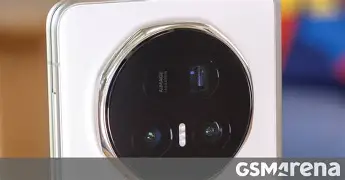
Camera Systems and Practical Photography
Cameras are about real-world outputs, not only megapixel counts. The Honor Magic V6 typically pairs a versatile camera array with larger sensors and tuning aimed at reliable results across light conditions. The internal use of the foldable form factor can also enable unique camera workflows, like using the unfolded screen as a large viewfinder for group shots or propping the device to create hands-free shooting angles.
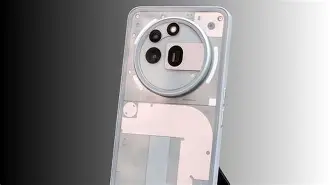
The Nothing Phone 4A concentrates on delivering pleasant, straightforward images — well-tuned colors, usable dynamic range, and efficient processing for social sharing. Buyers who mainly document day-to-day life, shoot for social media, or value quick point-and-shoot capability will find the 4A satisfying. Serious photographers or creators who need optical zoom or advanced low-light performance will likely prefer the higher-tier setup offered by the foldable.
Battery Life and Charging
Battery behavior differs due to form factor. The Honor Magic V6 needs to power a large internal display and potentially runs more demanding workloads when unfolded, so power consumption can be higher in intensive usage scenarios. Hands-on users should expect respectable endurance in mixed use, but frequent heavy multitasking or prolonged unfolded display time will shorten the interval between charges.
The Nothing Phone 4A often benefits from smaller display area and more conservative power draw, translating into reliable all-day battery life for most users. The slab form factor also makes thermal management simpler, making steady performance over long sessions more consistent. Charging speed, wireless charging availability, and battery capacity will vary by model, but general behavior follows these form-factor expectations.
Software Experience and Ecosystem
Software is a decisive factor for long-term satisfaction. Honor’s software builds around productivity features that take advantage of foldable displays: multi-window management, specialized gestures, and app continuity across folded/unfolded states. Buyers who rely on multitasking and prefer a more feature-rich launcher will value these additions. Software updates and post-sale support are important considerations for buyers seeking longevity.
Nothing’s software approach tends to emphasize a clean, design-forward interface with lightweight customization and unique visual touches. It aims to be less cluttered and more personal. For users who prefer a simple, consistent experience with brand personality, the 4A fits well. Prospective owners should check update promises and the vendor’s track record for security and OS releases.
Pros & Cons
Honor Magic V6 — Pros & Cons
- Pros:
- Large internal display for multitasking and immersive media
- Premium build and hinge engineering (designed for durability)
- Camera system aimed at versatile photography
- Productivity features tailored to a dual-screen workflow
- Cons:
- Heavier and thicker than conventional phones when folded
- Higher price point that may not suit budget-conscious buyers
- Potentially higher power consumption with unfolded use
- Repair costs and long-term durability of foldables remain considerations
Nothing Phone 4A — Pros & Cons
- Pros:
- Comfortable, familiar slab design for one-handed use
- Distinctive design language and personality
- Generally strong battery life and efficient daily performance
- Typically friendlier price-to-value ratio for mainstream buyers
- Cons:
- Lacks the multi-window productivity advantages of a foldable
- Less screen real estate for intensive tasks like editing or spreadsheets
- Camera capabilities may trail premium competitors in challenging light
- Fewer physical novelty features compared with foldables for power users
Comparison Table
| Category | Honor Magic V6 (Hands On) | Nothing Phone 4A (Hands On) |
|---|---|---|
| Form Factor | Foldable — compact when closed, tablet-like when open | Traditional slab — thin, lightweight, one-handed friendly |
| Display | Large internal panel for multitasking and media | High-refresh-rate single display optimized for daily use |
| Performance | Designed for heavier multitasking and productivity | Balanced performance for common daily tasks |
| Camera | Versatile array aimed at flexible shooting | Practical point-and-shoot setup favoring social sharing |
| Battery & Charging | Good, but heavier use with unfolded screen can drain faster | Efficient with strong real-world endurance for most users |
| Software | Feature-rich for foldable workflows and productivity | Clean, personality-driven UI aimed at simplicity |
| Price Positioning | Premium — higher cost reflecting foldable tech | Mid-range to upper-mid — value-focused |
| Best For | Power users, multitaskers, mobile creatives | Everyday users, style-conscious buyers, budget-minded shoppers |
Buying Guide: Which One Should a Buyer Choose?
Choosing between these two phones should begin with an honest assessment of daily habits and priorities. The following scenarios reflect how each device aligns with common buyer concerns.
1. Productivity and Multitasking
If work involves editing documents, frequent split-screen app usage, or reading long-form content on the go, the Honor Magic V6’s larger internal display and foldable workflow are compelling. The ability to run multiple windows side-by-side and to preview content on a large canvas reduces context switching and improves efficiency.
2. Portability and One-Handed Use
For commuters who prioritize slipping a phone into a pocket, using it with one hand, and carrying minimal weight, the Nothing Phone 4A is the more practical option. It keeps everyday tasks lightweight and predictable without the extra bulk of a foldable.
Discover deals on Mobile Phones — updated daily.
Shop Amazon →3. Media Consumption and Creative Work
Those who watch long videos, do casual photo or video editing, or like to read will value the V6’s internal display. The Nothing Phone 4A remains excellent for streaming and social media, but it can’t match the immersive scale a foldable provides.
4. Camera Needs
If photography is a major purchase driver and optical versatility is required, the foldable often offers a more capable camera system. For snapshots, vlogging for social stories, and general day-to-day imaging, the 4A provides reliable output with less complexity.
5. Budget and Value
Budget-aware buyers who want a modern, personality-forward device will find the Nothing Phone 4A compelling. For those willing to invest in a device that replaces both a phone and a compact tablet, the Magic V6 represents a value proposition in the premium category.
6. Longevity and Support
Consider software update policies and repairability. Foldables generally carry higher repair costs — screen or hinge damage can be expensive to fix. Prospective buyers should weigh warranty options, protection plans, and manufacturer update promises when deciding.
Real-World Use Cases
To make the decision practical, consider a few representative buyer profiles:
- The Mobile Professional: Travels frequently, uses spreadsheets and messaging apps simultaneously, and prefers one device to perform as both phone and tablet — the Magic V6 fits this profile.
- The Social Sharer: Values quick photos, long battery life, and comfortable one-handed operation — the Nothing Phone 4A is likely the better daily companion.
- The Media Enthusiast: Watches long-form video and reads eBooks on the commute; the foldable’s internal screen offers a more immersive reading and viewing experience.
- The Budget-Conscious Tech Fan: Wants a distinctive design and modern features without paying premium foldable prices — the 4A delivers style and substance at a lower cost.
Final Notes Before Buying
Test devices in person where possible. Folding mechanics, hinge noise, and the seam sensation are tactile factors that are hard to gauge from specs alone. Likewise, software feel and camera processing decisions (color science, HDR behavior) are best judged with sample photos and real-world usage.
Also consider accessories and ecosystem: cases, screen protectors, and docks differ between foldables and slabs. Check compatibility and availability for protective solutions tailored to each form factor.
Conclusion
The Honor Magic V6 and the Nothing Phone 4A serve different needs. The Magic V6 appeals to users who want a transformative device that blends phone portability with a larger, productive canvas. The Nothing Phone 4A appeals to those who want a distinct, well-balanced phone that excels at everyday tasks without the complexity or price of a foldable. Buyers should prioritize the features they use daily — multitasking and large-screen workflows favor the Magic V6, whereas portability, simplicity, and cost-effectiveness favor the 4A. Ultimately, the best choice is the one that aligns with how the buyer uses a phone every day rather than which device has the flashiest headline spec.