Head-to-Head: Ray Ban Meta Gen 2 vs Ipad 11 2025 (Detailed Comparison)
In 2025 the lines between wearables and personal computing continue to blur. Two devices that illustrate different directions in that trend are the Ray-Ban Meta Gen 2 smart glasses and the iPad 11 (2025). One is a wearable that places lightweight augmented reality and always-on connectivity at eye level; the other is a compact tablet that emphasizes screen real estate, content creation, and a mature app ecosystem. This comparison explores both products in depth, evaluating design, performance, software, day-to-day usefulness, and who each device best serves. The goal is to help readers match real-world needs—commuting, hybrid work, creative tasks, leisure, privacy concerns—to the right hardware choice.
Introduction to the contenders
Ray-Ban Meta Gen 2 builds on the first generation of Meta-backed Ray-Ban smart eyewear, refining ergonomics, camera and audio systems, and on-device interaction. It aims to be a subtle always-on computing layer for hands-free capture, short-form media, and lightweight notifications.
iPad 11 (2025) represents Apple’s compact tablet offering for users who want a balance of portability and utility. With an 11-inch display, Apple silicon (an updated M-series or equivalent Apple chip in 2025), and the iPadOS ecosystem, it targets creative professionals, students, and anyone who needs a versatile secondary device for media, note-taking, and productivity.
Design and build
Ray-Ban Meta Gen 2
The Meta Gen 2 prioritizes low-profile design to look and feel like traditional Ray-Ban sunglasses or eyeglasses. Frames are lightweight, and the weight distribution aims to avoid nose pressure during extended wear. Controls are limited and intentional: touch-sensitive arms for gestures, a physical button for capture, and voice commands through an integrated microphone array. The visible camera is small but present—a design choice that continues to generate conversation about social acceptability and privacy.
iPad 11 (2025)
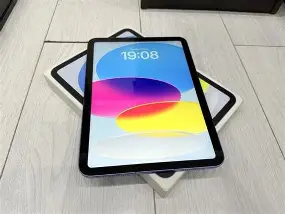
The iPad 11 adopts the familiar thin aluminum chassis and rounded corners. The larger display is the defining factor: an 11-inch Liquid Retina or OLED panel (depending on the SKU) with high brightness, P3 color, and ProMotion-style adaptive refresh. The tablet is relatively light for its size, but still a different portability class from glasses—it requires a bag or hands for use. The magnetic Smart Connector and Apple Pencil support remain critical for creators and students.
Display, optics, and media
Ray-Ban Meta Gen 2
Meta’s glasses do not provide a full virtual desktop; instead, they offer selective, contextual overlays and a small, near-eye display for basic notifications and prompts. Visuals are best for quick glances—directions, captions, or camera framing—rather than long-form reading or editing. Image and short video capture are strengths, but editing on-device is minimal. The glasses excel when visual information needs to be immediate and unobtrusive.
iPad 11 (2025)
The iPad’s 11-inch screen is where it shines for media consumption, productivity, and creation. High-resolution video playback, multitasking with split-screen apps, and detailed photo editing are native use cases. For photography and video, the iPad provides a larger preview and better editing tools than most wearables. Paired with stylus input, it becomes a notebook, sketchpad, and editorial workspace in one device.
Performance and software
Ray-Ban Meta Gen 2
Under the hood, the glasses run a lightweight OS integrated with Meta’s services. Performance is optimized for quick tasks: voice transcription, on-device AI for captioning or object recognition, and low-latency media capture. Heavy computational tasks are offloaded to a paired phone or the cloud. The software is improving, but developers still face constraints when creating deep productivity apps for such a small interface.
iPad 11 (2025)
The iPad 11 benefits from full-fledged operating system enhancements in iPadOS 2025. Improved multitasking, long-form app support, native creative suites, and local machine learning capabilities provide a robust platform for demanding workflows. Whether compiling code in an IDE-style app, fine-tuning photos, or running multiple apps concurrently, the iPad is capable of handling sustained, heavier workloads compared with the glasses.
Shop the latest Laptops & Computers picks on Amazon.
Shop Amazon →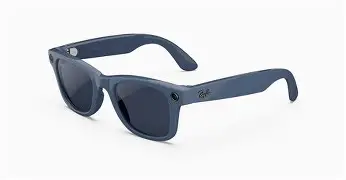
Camera, audio, and communication
Ray-Ban Meta Gen 2
Camera and microphone systems on the Meta Gen 2 are optimized for point-of-view capture—spontaneous photos, short video clips, and voice memos. Stereo speakers and bone-conduction—or near-ear—audio make calls and media audible without isolating the wearer. For remote collaboration, the glasses offer a first-person perspective that can be valuable for walkthroughs, hands-free tutorials, or showing a technician what one sees. However, low-light photography and long video recording still lag behind dedicated cameras and tablets.
iPad 11 (2025)
The iPad features front and rear cameras suitable for video calls, document scanning, and content creation. Better optics, image stabilization, and more processing headroom provide stronger results for prolonged recording and live streaming. Its microphone array and speakers deliver room-filling sound for conferencing and media consumption. The iPad is the more conventional choice for meetings, recording interviews, and editing longer videos.
Battery life and charging
Battery behaviors differ by use model. The Meta Gen 2 is engineered for intermittent use throughout the day—notification glances, quick captures, and short voice interactions—rather than continuous heavy-duty tasks. Expect a day of mixed-use for many users, with heavier camera or audio usage reducing runtime significantly.
The iPad 11 typically delivers longer active-screen time for continuous tasks like video playback, editing, or multitasking. Charging standards (fast charging, MagSafe-style accessories, or USB-C PD) vary by region and SKU, but the tablet’s larger battery supports sustained productivity in ways the glasses cannot match.
Privacy, safety, and social considerations
Smart glasses carry unique social and privacy considerations. Visible cameras on eyewear provoke questions in public spaces and private conversations; many venues and acquaintances still react skeptically. Buyers often care about visible indicators (LEDs that clearly show recording), easy physical camera covers, and clear controls to toggle recording and connectivity. The Ray-Ban Meta Gen 2 attempts to address that with design cues and transparency features, but social acceptance depends on context and user behavior.
Tablets like the iPad are less controversial. Privacy concerns center on app permissions, microphone/camera access, and data sharing—familiar territory for most users. The iPad offers granular controls and well-established privacy settings within its OS.
Real-world use cases
- Commuters and urban explorers: Meta Gen 2 is suited to hands-free navigation cues, short-form capture, and discreet notifications during travel. It keeps the user's hands free for bikes or transit tickets.
- Field technicians and on-site professionals: Wearable first-person video for remote guidance or quick documentation can reduce a trip or speed up repairs.
- Students and note-takers: The iPad 11 excels as a digital notebook—typing, handwriting with the Pencil, annotating PDFs, and running reference materials side-by-side.
- Creators and editors: Photographers, illustrators, and video editors benefit from the iPad’s display, creative apps, and stylus precision for longer workflows.
- Casual media consumers: For streaming, reading, and gaming, the iPad remains the better fit; the glasses are more complementary, not primary, entertainment devices.
Pros & Cons
Ray-Ban Meta Gen 2 — Pros
- Extremely portable and always-wearable form factor for hands-free interactions
- Quick point-of-view photo and short video capture
- Subtle notification and overlay system for glanceable information
- Useful for fieldwork and remote assistance where hands-free perspective matters
- Design aims to blend fashion and tech, appealing to those who prioritize aesthetics
Ray-Ban Meta Gen 2 — Cons
- Limited display area and interaction model—poor for long-form tasks
- Battery life constrained under heavy camera or audio use
- Privacy and social acceptability concerns remain in crowded or private settings
- Software ecosystem and apps are still less mature than tablet/phone platforms
- On-device editing and multitasking are minimal
iPad 11 (2025) — Pros
- Large, high-quality display suitable for productivity and media
- Robust app ecosystem for creativity, productivity, and learning
- Supports stylus input and keyboard accessories for a near-laptop workflow
- Strong local performance and better battery life for continuous tasks
- Better camera and audio for video calls, recording, and content creation
iPad 11 (2025) — Cons
- Less discreet than wearables—requires hands or a surface to use effectively
- May duplicate functionality already available on a smartphone for some users
- Accessories (keyboards, Pencil) add cost and bulk to realize full productivity potential
- Still not a full laptop replacement for heavy desktop-class applications (depending on user needs)
Comparison table
| Category | Ray-Ban Meta Gen 2 | iPad 11 (2025) |
|---|---|---|
| Primary use | Hands-free capture, glanceable AR, notifications | Productivity, creativity, media consumption |
| Form factor | Wearable glasses | 11-inch tablet |
| Display | Near-eye overlays for short interactions | High-res 11-inch panel for long sessions |
| Camera | Front-facing POV camera optimized for short clips | Front and rear cameras suitable for calls and creation |
| Battery life | All-day intermittent use; shorter under heavy recording | Longer continuous use for media and productivity |
| Best for | Fieldwork, commuting, hands-free documentation | Students, creators, professionals needing a portable workstation |
| Privacy/Social | Higher scrutiny due to camera-on-face | Lower social friction; conventional device |
| Accessory ecosystem | Limited; some charging and case options | Rich (Pencil, keyboards, stands, cases) |
Buying guide — which to choose and why
Buyers should start by clarifying goals. The Meta Gen 2 and iPad 11 target overlapping but fundamentally different needs. The following considerations help match purchase intent to device strengths.
Prioritize portability and hands-free use
If the primary use cases are hands-free documentation, navigation without pulling out a phone, or offering a first-person perspective in remote assistance scenarios, the Ray-Ban Meta Gen 2 is compelling. It is especially useful for people whose workflows require two free hands—technicians, delivery workers, cyclists (where legal and safe), and occasionally active commuters.
Find top-rated Laptops & Computers products at great prices.
View Offers →Need a productivity and creative workstation
For reading and annotating large documents, drawing with a stylus, editing photos and video, and running full-featured apps, the iPad 11 is a more practical investment. Students, designers, and professionals who need sustained sessions and a mature app library will find the tablet more versatile.
Consider privacy and social context
Smart glasses come with social baggage. If the buyer spends lots of time in sensitive environments or values low noticeability, the iPad avoids most social friction. Conversely, those who will use the glasses primarily in personal or controlled settings may weigh the convenience more heavily.
Evaluate battery and accessory needs
Decide whether the device will be used in bursts throughout a day (favors glasses) or for long continuous sessions (favors iPad). Factor in accessory costs: keyboards and pencils expand the iPad’s capabilities but add expense. For Meta Gen 2, accessories are simpler—cases and chargers—but the core device does the main work.
Think about ecosystem lock-in
Both devices are part of larger ecosystems. The iPad integrates tightly with Apple services, iCloud, and the App Store. The glasses tie into Meta’s ecosystem and often pair with an Android or iOS companion. Buyers who already have investment in one ecosystem will benefit from smoother integrations and cross-device features.
Budget and practical overlap
Some buyers may find both devices useful together: glasses for hands-free capture and immediate context, and an iPad for deeper work and editing. For constrained budgets, prioritize the device that solves the user's most frequent problems. Occasional photographers may prefer the iPad for its editing features; daily field operators may prefer the glasses for efficiency gains.
Conclusion
Ray-Ban Meta Gen 2 and the iPad 11 (2025) represent distinct philosophies in personal computing: one minimizes friction by moving computation to eyewear, the other amplifies capabilities through a larger canvas and a mature software stack. Neither is a strict replacement for the other. The Meta Gen 2 is best when hands-free, glanceable interactions and first-person capture deliver real productivity or convenience gains. The iPad 11 is the superior all-around tool for creative work, study, and extended productivity.
Ultimately, the right device depends on how a buyer spends most of their time. For those whose days are mobile and require hands-free documentation, smart glasses can become a force multiplier. For those focused on creating, editing, or multitasking, the iPad remains the more complete solution. Both devices are useful in modern workflows; deciding between them is a matter of matching daily habits to the device that reduces friction and amplifies capability in the contexts that matter most.