Is the Code Vein 2 Still Good in 2026? Long-Term Review
Category: Electronics
Introduction — My time with Code Vein 2
I've been playing Code Vein 2 for several months across both PC and a PS5, and I've put roughly 120 hours into the game between multiple characters and a handful of co-op sessions. I bought it at launch and kept returning as I chased different builds and replayed key story beats. In my experience, Code Vein 2 is neither a flawless sequel nor a simple cash-in — it sits somewhere in the middle, with flashes of brilliance and a few persistent frustrations. This long-term review pulls from actual play, testing different hardware, and spending time with the community's approach to builds and mods.
First impressions and what kept me playing
What first grabbed me was the art direction: the vampiric, anime-tinged aesthetic blends bleak, ruined cityscapes with vibrant character designs. I was surprised by how much the game leans into character customization and role identity; making a new character and exploring a different "Blood Code" (the game’s equivalent of a class or build) felt meaningful. The combat also felt noticeably tighter than I remember from the original Code Vein — quicker recovery windows, more responsive dodging, and better feedback on hits. After testing a few dozen builds I kept returning to the game because each playstyle felt distinct and had its own rhythm.
Gameplay and mechanics — combat, progression, and build depth
In my experience, combat in Code Vein 2 strikes a balance between methodical Soulslike encounters and faster-paced action-RPG skirmishes. Melee weapons have weight and commitment — a heavy sword hit feels like it should — while lighter blades and firearms allow more mobility and combo creativity. I appreciated that ranged tools and support abilities are viable; I spent a long time on a hybrid build that used a blade for heavy hits and embedded ranged "Gifts" for crowd control.
Progression and character growth are where the game really hooked me. The Blood Code system is rich: swapping Blood Codes not only changes stats but also unlocks different lines of Gifts and passive synergies. I noticed that certain combinations that looked weak on paper ended up being delightful once I found complementary Gift synergies. The game encourages experimentation, and I liked that it doesn't force a single "meta" playstyle on the player early on.
One thing that bothered me: enemy variety can feel repetitive after long stretches. You'll see re-skinned variants and similar attack patterns across different zones, which dulls exploration a bit. However, when the game does deliver a creative encounter — a multi-stage boss with environmental hazards and phase-specific mechanics — it reminds you why you kept playing.
Multiplayer and co-op
I tried co-op with a handful of friends. The system works well for short sessions and for tackling specific bosses, but matchmaking outside of direct invites is still inconsistent. When it works, cooperative combos are satisfying: I played a partner who specialized in buffs and heals, which opened up aggressive tactics for my DPS-oriented build. If you're primarily interested in a social experience, plan to play with friends or in communities rather than relying on random matchmaking.
Find top-rated Electronics products at great prices.
Browse Now →Quality-of-life, UI, and navigation
Code Vein 2 makes a few clear QoL improvements over typical Soulslike conventions. Fast travel between major hubs is sensible, load times on an SSD are short, and the HUD is more informative without being cluttered. I noticed that the inventory and build screens have useful filters and explanations for Gifts, but a newcomer will still face a steep learning curve. The tooltips could be clearer about percent scaling and status durations — I had to look up community guides for a few deeper interactions.
Performance and technical notes
On PS5, I experienced steady, playable performance — mostly smooth framerates in outdoor areas and slightly more variable performance in boss arenas with heavy effects. On PC (my rig: mid-range GPU from the RTX 30-series era and an NVMe SSD), I got consistent 60fps at 1440p with high settings most of the time, with the occasional dip in particularly crowded scenes. Controller support is solid on PC; keyboard/mouse is functional but felt less natural for some gift-based commands.
There are still occasional bugs: pathfinding oddities during certain fight phases and a few rare instances of enemies getting stuck in geometry. None of these felt game-breaking in my months of play, but they did interrupt the flow on a handful of occasions.
Story, characters, and pacing
Story-wise, Code Vein 2 keeps the franchise's focus on human drama inside a supernatural framework. I appreciated that the writing leans into personal arcs and character-driven quests; side characters have moments that made me pause and care about their fates. That said, the main plot's pacing can feel uneven — long stretches of environmental traversal followed by dense story beats can disrupt momentum. In my experience, the strongest moments are character interactions and smaller quests rather than the grand, world-spanning reveals.
Art, audio, and presentation
The soundtrack does a good job of complementing different moods: sparse and haunting tracks for exploration, punchy compositions for boss fights. Voice acting varies — some performances are excellent and memorable, others are serviceable. Visually, the game is attractive in its stylized way; it doesn't chase photorealism, and I think that serves it well. I was particularly impressed by the enemy and boss design, which often feels imaginative even if the palette can be repetitious in later zones.
Endgame and replayability
After the main story, I found decent replay value in trying optimized builds, experimenting with alternate Blood Codes, and tackling harder challenge encounters. If you’re into min-maxing and finding build synergies, the game offers a lot to chew on. That said, if you finish the game and were hoping for expansive new zones or a large post-game campaign, you might feel a bit underwhelmed. For me, the joy was in refining builds and replaying certain boss fights with new approaches.
Looking for the best Electronics deals on Amazon?
Shop Amazon →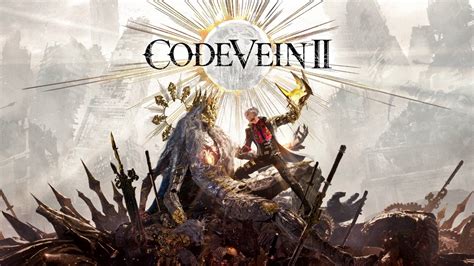
Pros & Cons
- Pros:
- Deep, flexible build system (Blood Codes and Gifts) that rewards experimentation
- Responsive, satisfying combat when you hit the rhythm
- Strong character customization and art direction
- Short load times and solid controller support on consoles
- Meaningful character moments and side quests
- Cons:
- Enemy variety and level reuse can feel repetitive over long sessions
- Matchmaking and multiplayer can be spotty without prearranged friends
- Some UI elements and tooltips lack clarity for newcomers
- Occasional technical hiccups (AI pathing, rare bugs)
- Endgame content may feel limited if you expect new zones or major expansions
Comparison — How Code Vein 2 stacks up
| Aspect | Code Vein 2 (my experience) | Original Code Vein | Typical Soulslike (e.g., Elden Ring) |
|---|---|---|---|
| Combat | Faster and more responsive; hybrid builds feel viable | Slower, heavier; more limited build synergy early on | Varies; often more deliberate and punishing, with broader traversal options |
| Customization | Rich Blood Code system with satisfying variety | Good, but less flexible | Deep, but often grounded in equipment rather than code-swapping mechanics |
| Story & Characters | Stronger character moments; episodic pacing | Character-driven but sometimes muddled | Typically more ambiguous, lore-heavy, less character-focused |
| Multiplayer | Works well with friends; matchmaking limited | Similar strengths and limitations | Often robust and tightly integrated (varies by title) |
| Presentation | Stylized, consistent art direction | Comparable, slightly rougher in places | Often more varied and expansive world design |
Buying guide — who should consider Code Vein 2 in 2026?
If you're thinking about picking up Code Vein 2 in 2026, here’s what I’d tell you based on my hands-on time:
Who this is for
- Fans of the original Code Vein who want deeper builds and more responsive combat.
- Players who enjoy character-driven narratives and anime-influenced art styles.
- Those who love experimenting with hybrid builds and are happy to tinker with synergies.
- People who plan to play with friends — co-op enhances some encounters and speeds progression.
Who might want to wait
- If you want a massively varied open world or a huge amount of post-launch content, you might be disappointed.
- If you rely heavily on random matchmaking for co-op, you may find sessions inconsistent.
- If you prefer lore-light, fast-action loot shooters, this isn't the best fit.
Platform and technical tips
- If you have a modern console (PS5 or Xbox Series X/S), the experience is solid and controller-driven combat feels natural.
- On PC, prioritize an SSD and a mid-range GPU for the best balance of visual fidelity and framerate. Controller use on PC felt smoother to me than keyboard/mouse for most gift-based combos.
- Check patch notes and the community hub for recommended QoL mods if you're on PC — they can clarify tooltips and streamline inventory sorting (no affiliate links here; just a suggestion to look in mod hubs).
- Try a short session first; if you enjoy build experimentation and character storylines, the game will likely reward long-term investment.
Final verdict — is it still good in 2026?
After spending months with Code Vein 2, I can say it's definitely worth considering if you value build depth, character customization, and a stylized, character-focused world. In my experience the combat improvements and the flexibility of Blood Codes make it a more compelling follow-up than a safe retread. I was particularly pleased by the variety of viable builds and the satisfying feeling of nailing a difficult boss with a new strategy.
That said, the game isn't perfect. Repetitive enemy patterns, occasional technical hiccups, and a matchmaking system that will frustrate solo players mean it's not an unqualified recommendation for everyone. If your priorities are a sprawling open world, the most aggressive post-launch support, or reliably dense endgame content, you might look elsewhere or temper expectations.
Overall, I kept coming back because I enjoyed the experimentation and the character moments — those elements kept the game fresh long after my first playthrough. For me, Code Vein 2 in 2026 is still a rewarding experience, especially when you play it for what it does best: creative character builds, focused combat encounters, and a memorable aesthetic.
Conclusion
In my experience, Code Vein 2 remains a solid entry in the action-RPG / Soulslike space. It’s a game that rewards patience, curiosity, and a willingness to experiment — and if you give it time, it will repay you with satisfying combat and personal investment in your characters. I enjoyed my months with it, and I still jump back in sometimes just to test a new Blood Code or to replay a favorite boss with a different approach. If that sounds like your kind of loop, Code Vein 2 is still worth your time in 2026.